Project Launched to Empower Marginalized Women in Bayalbas, Sarlahi
Together For Nepal (TFN) is pleased to announce the launch of a new initiative titled "Economic Empowerment of Mushahar Dalit Women in Bayalbas, Sarlahi," made possible through the generous support of Wilde Ganzen. The one-year project is being implemented with a micro-grant of Euro 5,000 and aims to support 10 most marginalized women in the community through entrepreneurship and livelihood development.
The Mushahar & dalit community are among the most disadvantaged & socially excluded groups in Nepal. For generations, these women have faced multiple layers of discrimination due to poverty, caste-based exclusion, gender inequality, limited access to education, skills, financial services, and economic opportunities. Many women are engaged in irregular daily wage labor, often earning insufficient income to meet their families' basic needs. As a result, they remain trapped in a cycle of poverty with very limited opportunities to improve their livelihoods.
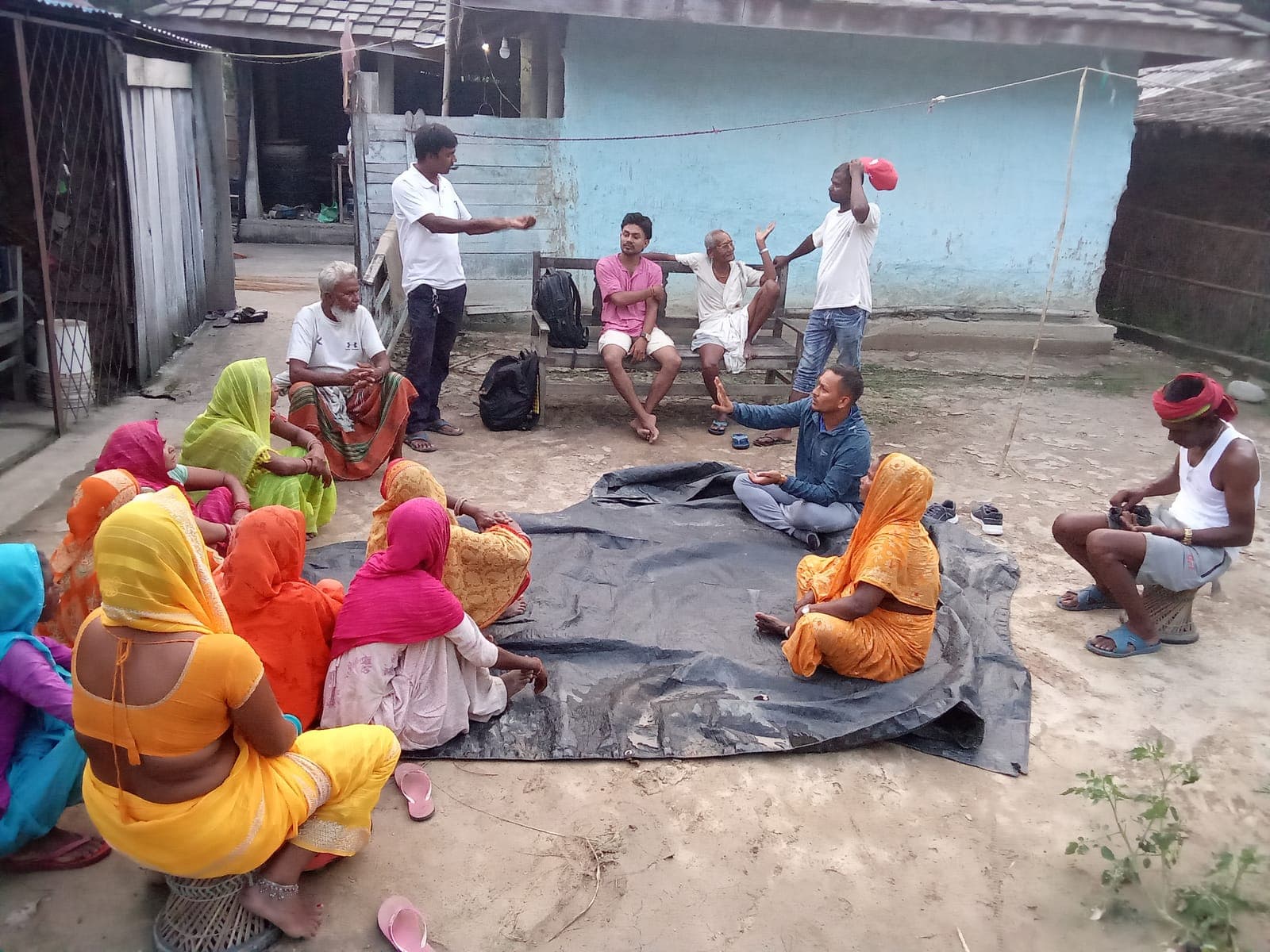
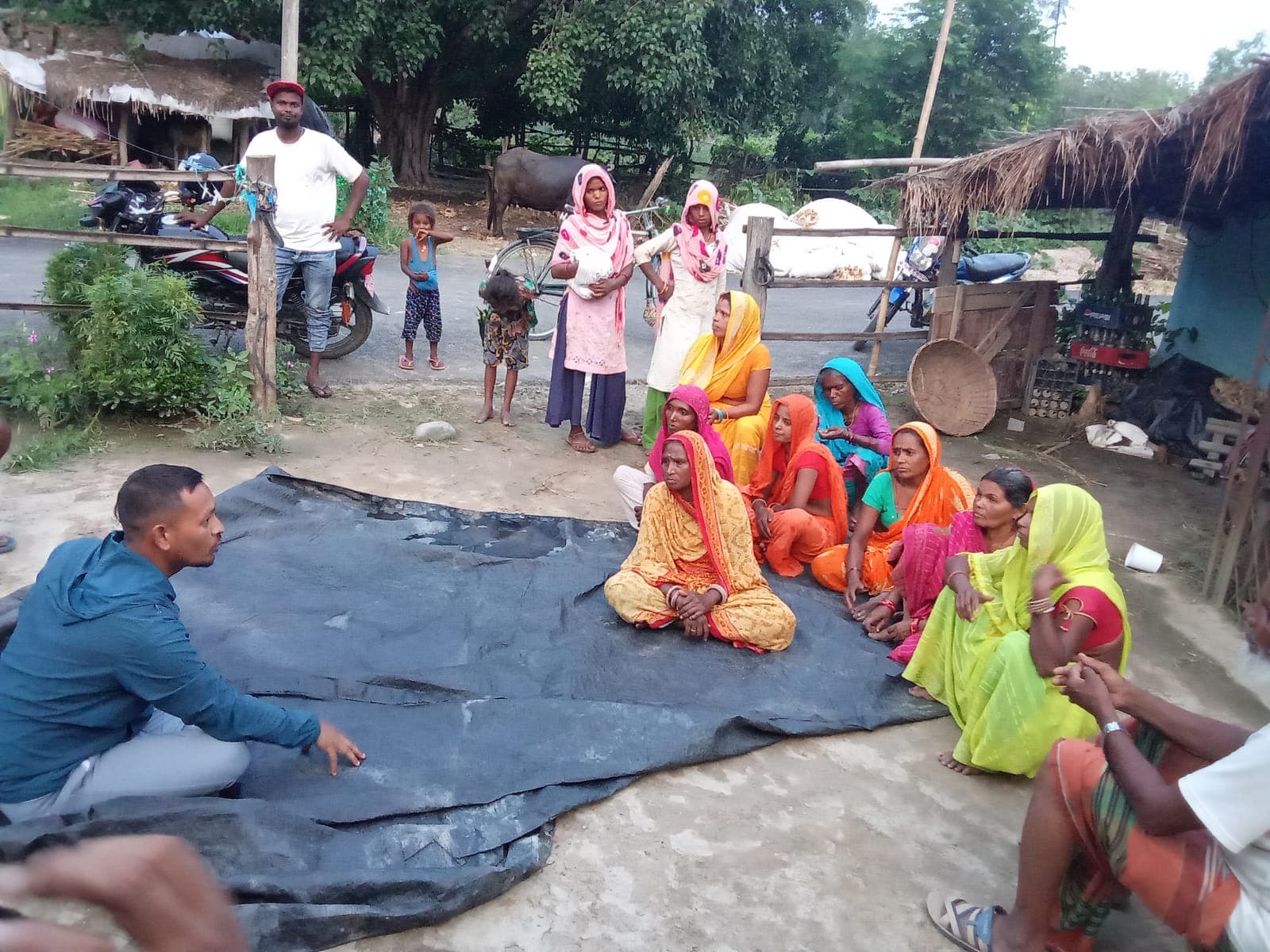
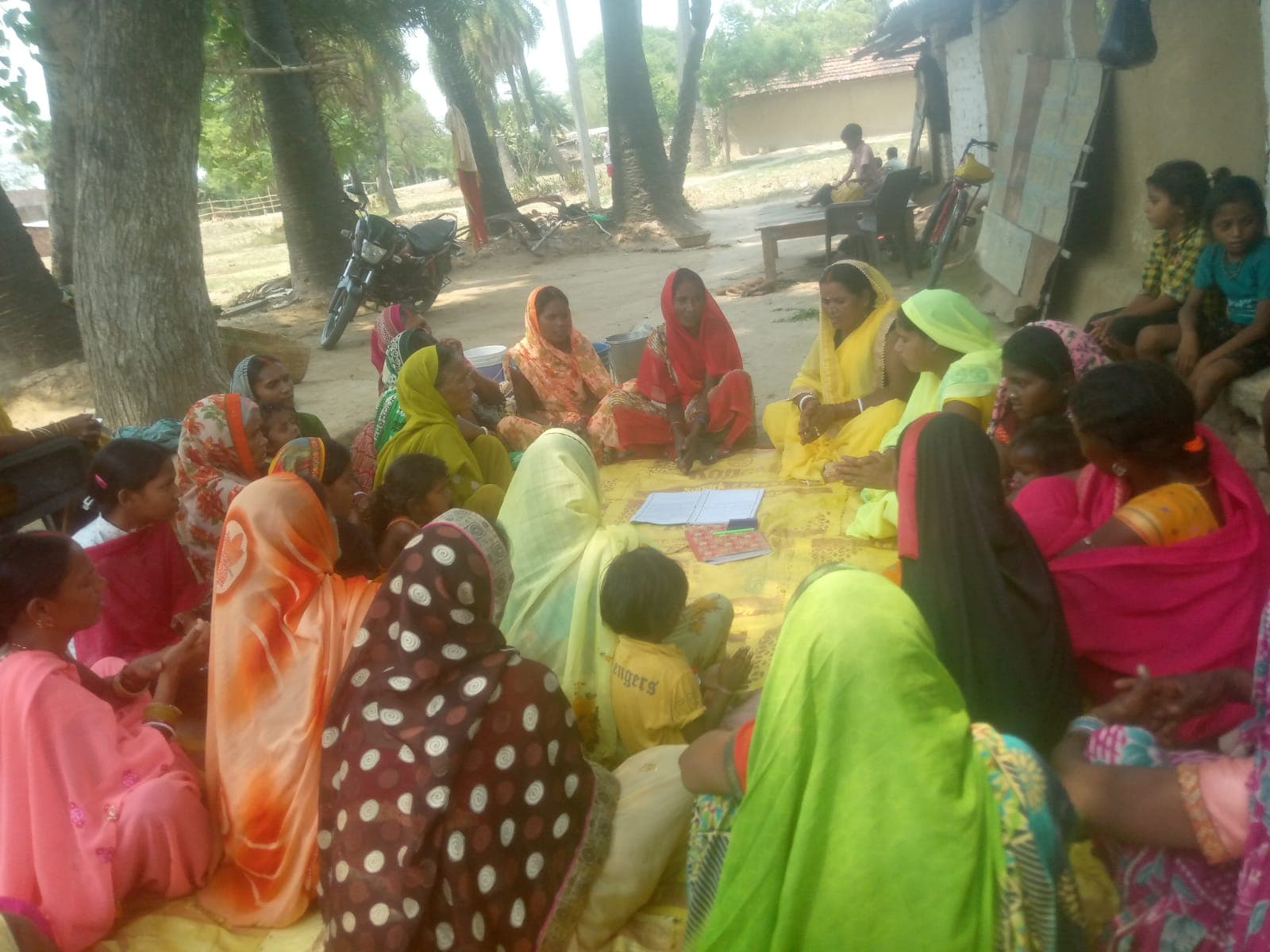
Recognizing these challenges, the project seeks to create pathways toward economic independence and self-reliance for selected women participants. The initiative has begun with community mobilization and participant selection. Ten women will receive a three-day Financial Literacy and Entrepreneurship Training, equipping them with essential knowledge on budgeting, savings, business planning, and enterprise management.
Following the training, the same ten participants will receive seed capital support to establish or expand small income-generating enterprises based on their interests, skills, and local market opportunities. As of now, most women have shown interest in buffalo & goat raising. To enhance the sustainability and success of these enterprises, the project will also provide ongoing mentorship and guidance throughout the implementation period.
TFN believes that economic empowerment is a powerful tool for social transformation. By helping women develop sustainable sources of income, the project is expected to strengthen household economic security, increase confidence and decision-making capacity among participants, and promote greater social inclusion within the community.
Although modest in size, the initiative has the potential to create meaningful and lasting change in the lives of the participating women and their families. TFN is grateful to Wilde Ganzen for its partnership and support in making this important effort possible and looks forward to witnessing the positive impact that will emerge over the coming year.
About Wilde Ganzen
Wilde Ganzen has been working since 1957 towards a world without poverty. And they do not do this alone. All over the world, people create change by taking action themselves. Through small, smart projects, local changemakers bring progress and improvement to their own communities.
These initiatives are set up by local people who take action, together with Dutch foundations. Wilde Ganzen supports these partnerships with knowledge, a strong network, and funding. In this way, they help local changemakers who are working to improve their communities by developing social facilities — from clean drinking water to inclusive education, and from medical care to financial independence.
Wilde Ganzen wants to create a world in which people living in poverty are able to improve their own situation and future through their own strength.
To tackle poverty worldwide, Wilde Ganzen supports projects in low- and middle-income countries that are initiated by local people themselves, with the support of organizations from their own communities. Each year, Wilde Ganzen supports hundreds of small-scale projects with funding, advice, expertise, and access to its network.
To create lasting impact, Wilde Ganzen strongly focuses on sustainability and the self-reliance of both the people involved and the local organizations that support them.