
Breaking Barriers: Sanitation Hope for the Musahar Community in Sarlahi
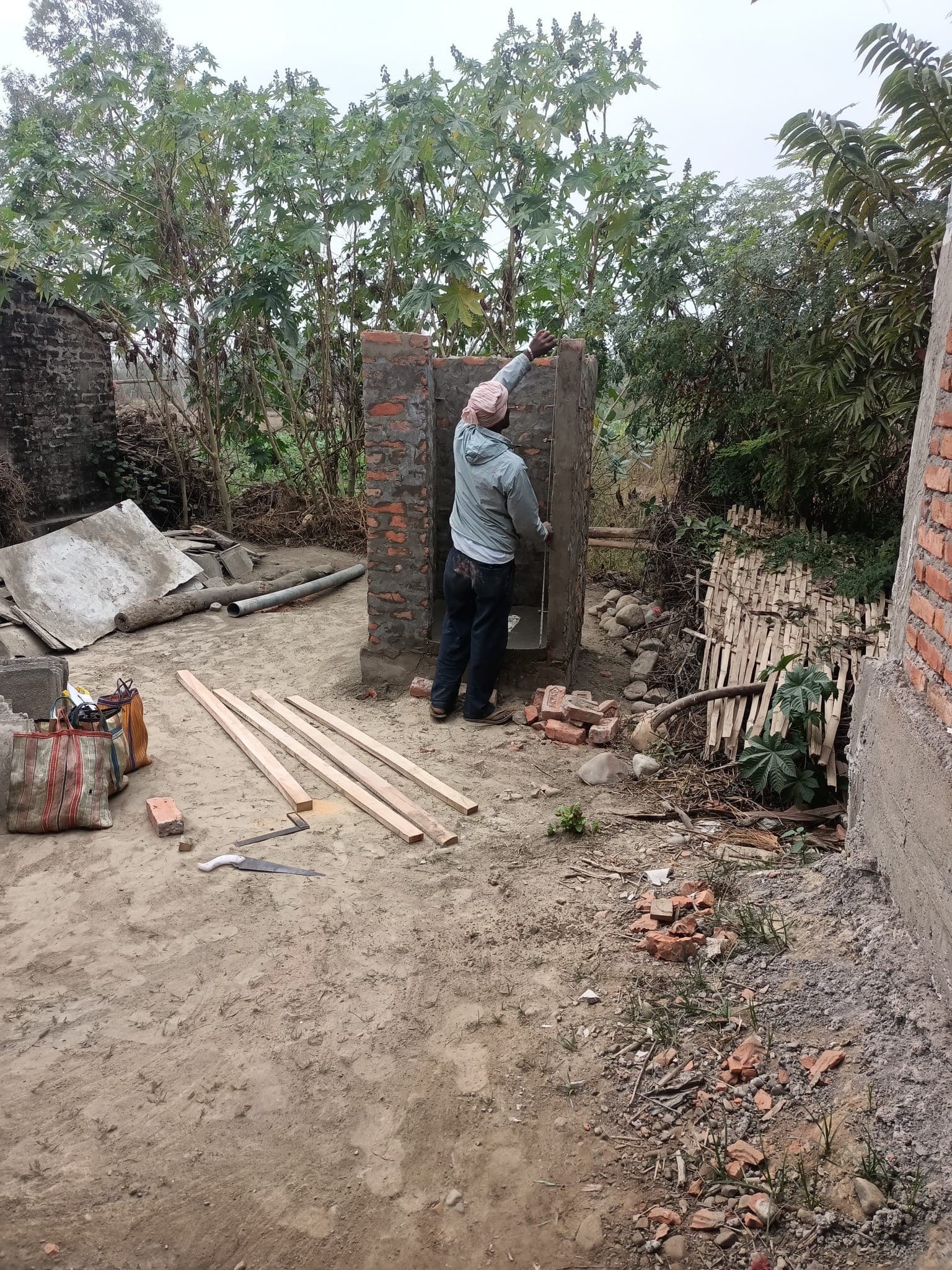
With the kind support of Stichting Nederland Nepal (The Netherlands-Nepal Foundation), Phase I & II of the project "Life Line Shelters" have brought transformative changes to the Musahar community in Bayalbas, Sarlahi. Till the date, we have successfully built 28 toilets & installed two water taps, offering a lifeline to one of Nepal's most deprived communities.
The urgency of this intervention is evident — families had begun using the toilets even before doors are installed, resorting to temporary coverings. This desperate need speaks volumes about their struggle for dignity and hygiene. Until now, open defecation was the only option, leaving women, the elderly, and physically handicapped individuals in particularly vulnerable situations.
Ms. Renu (name changed), a resident of Bayalbas, shared her ordeal: "We do before the sunshine. Even if we feel like doing in the daytime, we have to wait till night. We've already developed a habit of holding on, but when we are sick, it is so difficult." The lack of basic sanitation had also forced pregnant women and new mothers to eat less, fearing the need to use the toilet during the day.
In 2019, Nepal was declared an open defecation-free country by then Prime Minister K.P. Oli. While this created an impression that Nepal had taken the lead in sanitation efforts within South Asia, the reality on the ground tells a different story. Many marginalized communities remain far from achieving proper sanitation.
Access to clean toilets is not just about hygiene — it is about dignity, safety, and better health. This initiative marks a crucial step in restoring those basic rights to the Musahar community.
The Musahar community in Nepal is a Dalit community primarily found in the Terai region. They are known for their traditional occupation as rat catchers, which has led to their name, Musahar, meaning "rat-riders" or "rat eaters".